
Trail notes
- Ohio’s 76 state parks are open every day and always free, and the state says its park beaches are always free too.
- The Ohio Department of Natural Resources calls Headlands Beach the largest natural sand beach in Ohio, with a 35-acre beach.
- Mentor Marsh was designated a National Natural Landmark in 1966 and was the first site dedicated as an Ohio state nature preserve.
When the city beaches are crowded, or you simply want a long walk on real sand, drive east from Cleveland, Ohio, along Lake Erie. The shoreline in Lake and Ashtabula counties holds a string of state lands with wide beaches, rare dunes and marshes full of birds. The best part for a budget weekend: the Ohio Department of Natural Resources says its 76 state parks are open every day and always free, and that state park beaches are always free as well.
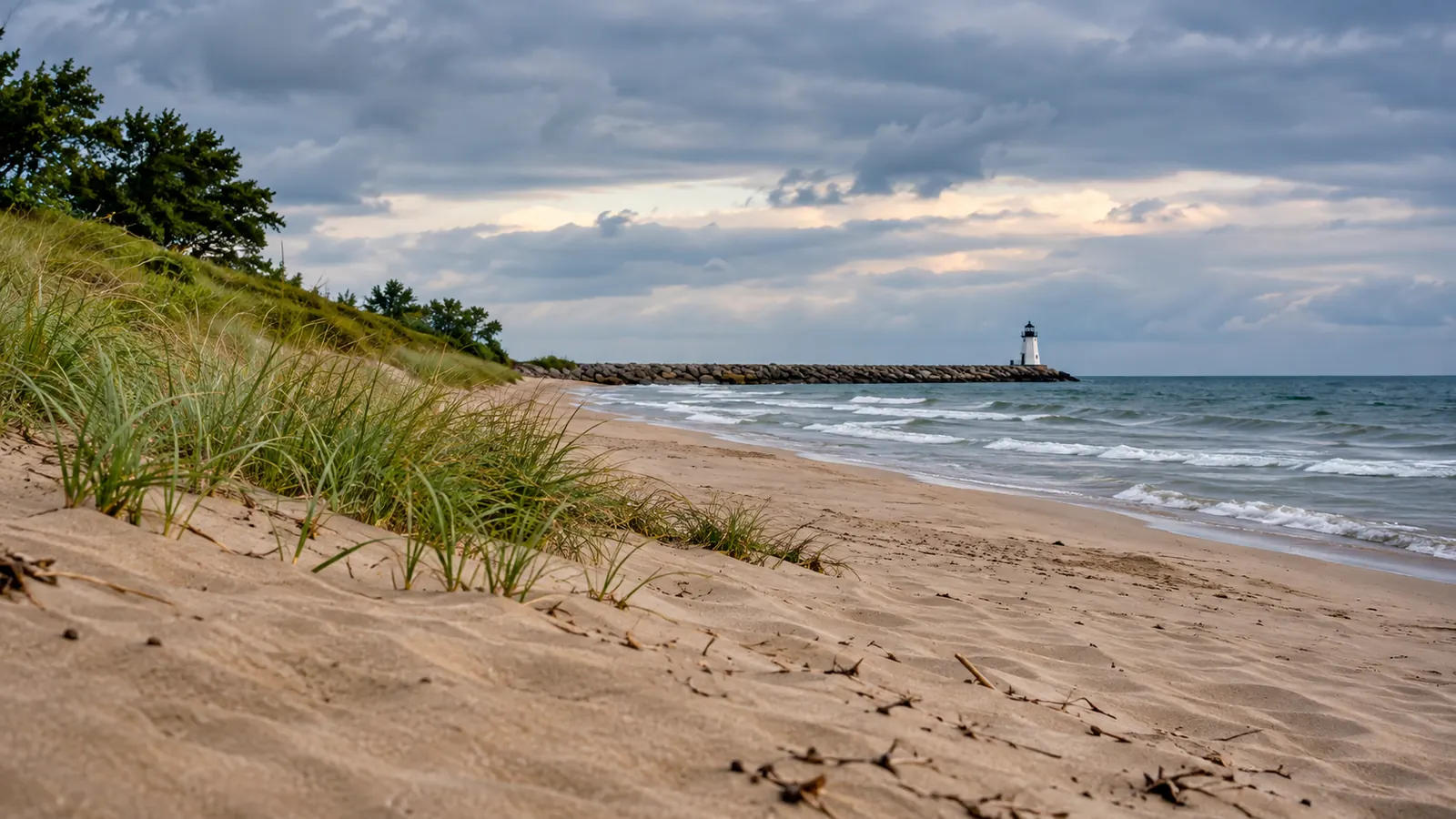
The three stops at a glance
| Place | Best for | Hours listed by ODNR | Good to know |
|---|---|---|---|
| Headlands Beach State Park | Big sandy beach, sunsets, birding | Half an hour before sunrise to half an hour after sunset | No lifeguards; glass, alcohol and pets not allowed on the beach |
| Mentor Marsh State Nature Preserve | Marsh and forest walks, history | Nature center weekends, April to October | Co-managed with the Cleveland Museum of Natural History |
| Geneva State Park | Beach plus trails, a full day out | 6 a.m. to 11 p.m. daily | Dog swim area at the west end of the beach |
Headlands Beach State Park
ODNR calls the park’s trademark a massive 35-acre Lake Erie beach and describes it as the largest natural sand beach in Ohio. It is known for swimming and sunbathing, beach glass hunting and Lake Erie sunsets. A mile-long paved hike and bike trail runs along the back dunes, and a 1.5-mile section of the statewide Buckeye Trail, marked with blue blazes, winds through the park.
Beach rules
- Swimming is allowed in designated areas, and there are no lifeguards.
- Inflatable devices are prohibited; certified life vests are suggested, and the park has a loaner life vest station.
- Glass, alcohol and pets are prohibited on the beach.
- Carry your trash to the dumpsters near the parking area.
- Fishing from the federal breakwall at the east end is allowed during park hours, with an Ohio fishing license for anyone 16 and older.
How the beach was made
The beach is younger than it looks. A federal breakwall was built at the mouth of the Grand River in 1827, and ODNR says sand began collecting to the west of it as soon as the first blocks were laid. Nearly the whole park is sand deposited there since, and prevailing winds have piled it into dunes. The state began acquiring the land in 1951 and 1952; the park opened in 1953 as Painesville Beach State Park and took the Headlands name two years later.
Headlands Dunes: a rare landscape
Next to the beach, Headlands Dunes State Nature Preserve protects what ODNR describes as one of the last sand dune communities of its kind in Ohio. Development along the lake has all but eliminated natural beaches and dunes. Beach grass and switchgrass trap blowing sand and keep growing up through it, slowly building dunes that are later colonized by grapevines, cottonwood, willow and eventually oak.
Plants more typical of the Atlantic coast, including sea rocket, beach pea and seaside spurge, survive here and are rare in Ohio. ODNR also ranks the area among Ohio’s premier birding locations, and says monarch butterflies crossing the lake in late summer often cover trees on cool mornings in late August and September.
Tip: Stay on marked paths in the dunes. ODNR warns that once these dune communities are lost, they will be lost forever.
Mentor Marsh State Nature Preserve
Nearby, Mentor Marsh fills an ancient, abandoned channel of the Grand River. It was designated a National Natural Landmark in 1966 and was the first site dedicated as a state nature preserve, according to ODNR. A beech and sugar maple forest borders the marsh on higher ground, and at the eastern edge is a mixed oak swamp forest, a forest type that ODNR says has been destroyed in most of the Lake Erie region.
The Cleveland Museum of Natural History is leading a major restoration to contain the invasive common reed, Phragmites, and bring back native marsh and swamp forest. The preserve’s nature center is open Saturdays and Sundays from noon to 5 p.m., April through October.
Geneva State Park
Farther east in Ashtabula County, Geneva State Park covers 698 acres on the lake. Its 600-foot sand beach has a designated swimming area. Pets are not allowed on the swimming beach, but there is a designated dog swim area at the west end, which makes Geneva a rare choice for families who want to bring the dog. The park also takes part in the loaner life vest program.
Away from the beach, six miles of multi-use trails cross the park and a 2-mile paved trail runs along the lake. Marshes at the mouths of local creeks attract wildlife, and the middle and western beaches hold the same Atlantic-coast plants found at Headlands. ODNR says a new nature center opens on weekends from early May through October.
What costs money
Entry and the beaches are free, but some extras are not: Geneva’s campground requires paid reservations, its lodge rooms and cottages are booked like a hotel, picnic shelters can be reserved, and nearby attractions run by private businesses charge their own rates. A packed lunch, a towel and a full tank of gas keep the day cheap.
Before you swim
ODNR’s Geneva page reminds visitors to check BeachGuard for advisories, and that advice applies to every beach on this list. Read Lake Erie Beach Water Quality: How to Read Cleveland’s Swim Advisories for how the advisories work and Lake Erie Swimming Safety: Waves, Pier Currents and Rip Currents for waves and currents, especially at Headlands, where ODNR says there are no lifeguards.